These are a few of the more cost affordable dog breeds. Click the link here These are examples of more cost effective dog breeds to see the information.
Paws and Claws
Deciding on what animal to get can be an adventure on it own.
You want a pet, but you aren’t sure which kind to choose. Keeping a pet is big responsibility, and it can entail a long-term commitment. Each animal has its own physical and emotional needs, and you must be prepared to fulfill those needs. Do your research and understand the implications. Choose carefully!
For some additional help, please feel free to visit our weebly site!
How to choose a pet for your family.

When buying a pet for your family, take the time to learn which pet is right for you. It is an important decision that should take a lot of thought and consideration before making the final decision.
- What is my lifestyle like? Active and/or rarely home? Am I looking for a companion?
- What kind of animal can I accommodate? How much room does my pet need?
- Can I afford this type of animal? Review cost – Pick a pet that you can afford.
- How long is the pet’s lifespan? Can I commit the next 15-20 years to my pet?
How will this affect my current pet. Think about the pets you have now. You want to select a pet that will fit into your current household and some types of pets may not do well with certain animals.
What age are your children? Younger children may do better with animals that require less responsibility, especially if you don’t personally have the time commitment to care for a pet yourself.
What types of pets will your home accommodate? Where you live makes an impact on the type of pet you can have. Not all homes can accommodate every animal. Do you rent or do you own your home?
Adopting vs. Buying from a Pet Shop
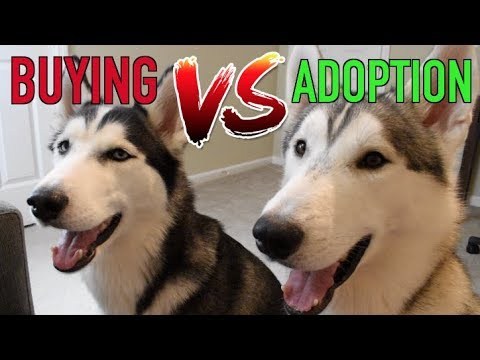
Adopting a Shelter or Rescue Dog
The stigma that all shelter dogs are unpredictable and come with behavioral issues is simply not true. Many dogs are surrendered to shelters because of a change in family situation, not because of the dog’s behavior, and may shelter dogs have already had some training.
The Benefits:
- You are saving two lives – the life of the dog you adopt and the space that opens up for another dog in the shelter or rescue.
- Most dogs will already have all of their vetting completed, including a microchip and spay/neuter.
- If adopting from a rescue group, they will be able to tell you all about the dog’s personality so there are no surprises when you bring the dog home.
- Many adult dogs are already potty-trained, saving you a lot of time and training.
- Private rescue groups will generally take the dog back if the dog is not a good match.
- Mixed breed dogs tend to have less inherited genetic health problems.
- The love and gratitude you will receive from a shelter dog is unlike any other.
The Challenges:
- If adopting a dog straight from a shelter, you may not know much about how they will act in your home. It is very important to know how to pick the right shelter dog.
- You may not know exactly what breed the dog you pick is mixed with, although there are many purebred dogs in shelters.
- The cost of adopting from a shelter is much lower than the cost of purchasing a puppy from a breeder.
Buying a Puppy from a Breeder
If you are considering buying a puppy from a breeder, it is important to choose the right breeder. You need to be sure that your entire family is prepared for the 15-20 year responsibility of raising a healthy, well-balanced dog.
The Benefits:
- You will be able to see your puppy’s mother and see the environment they were raised in.
- Reputable breeders will provide genetic health testing to make sure your dog is not likely to carry any inherited genetic problems.
- You will have the opportunity to mold your puppy into the perfect pet—as long as you are patient and consistent with positive training.
- You know exactly what you are getting in terms of breed—make sure you find the right breed for your family.
The Challenges:
- There are millions of dogs dying in shelters each year. Rescuing a dog will save one of those lives.
- Puppies are a LOT of work. Are you prepared for the guaranteed puppy woes–cleaning up accidents, whining, and chewing?
- You are responsible for training your puppy, and an untrained puppy quickly grows into an out-of-control adult dog.
- Purebred dogs tend to have more health problems.
- Buying a puppy from a breeder can be extremely expensive, and you will be responsible for all its vetting.
 Kat's Family Pets